

Back to all posts
Portugal, By Taste

Article by
Duncan Greenfield-Turk
Luxury comes in many different forms. To some it’s a night in a hotel where your every wish is granted before you need to ask. To others it’s listening to a Beatles vinyl on a sound system that has been meticulously crafted. And then, there’s a small tin of sardines. Hand-packed in oil, from a specific year, in a store where the boxes are stacked by vintage.
In Portugal, that tin sums up the place.
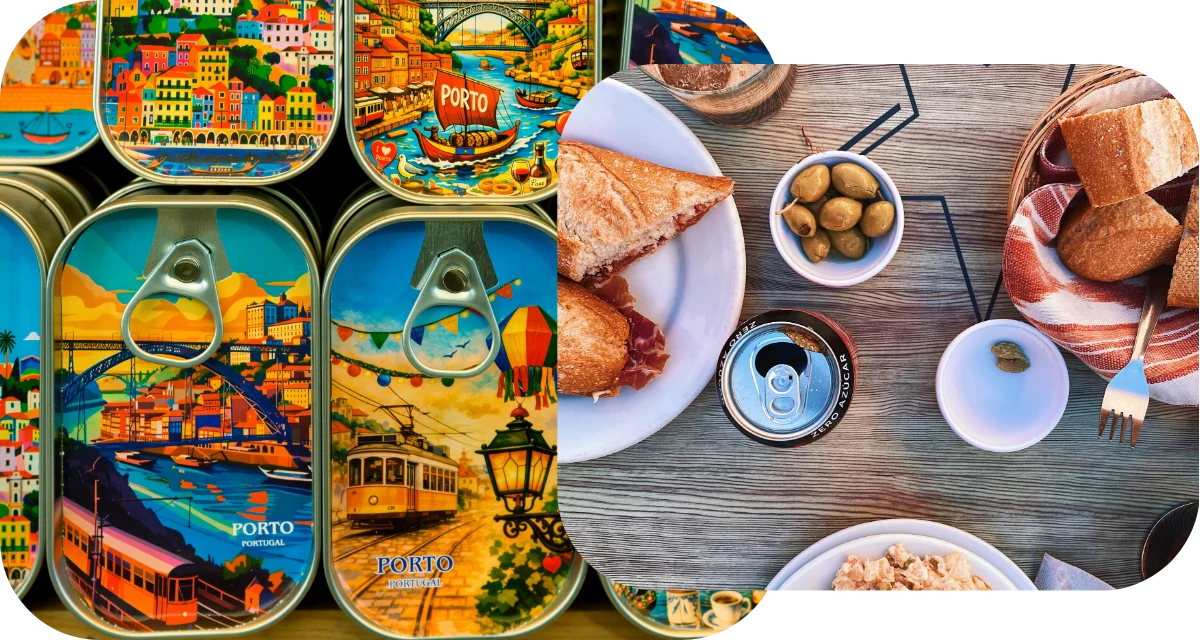
It’s a country that went to sea earlier and further than almost anyone, and finding ways to make food last the journey was part of the innovation. Salt, tin, brandy and sugar are not techniques here. They are the foundation the entire cuisine is built on, and once you see it you cannot stop seeing it.
Salga
Salga is the salting, and it’s the foundation of preserving food for a long journey, both there, back and during.
And Portugal is famous for it. Bacalhau is salt cod, and this national dish couldn’t reflect the tradition of sea travel more, as it isn’t even made with a fish found in the local waters.
Book it

Tastes and Traditions of Lisbon Food Tour
Seven stops across the old city and the historic port, eating what Lisbon eats rather than what it sells to visitors.
Prices and availability are shown on the operator's page.
It comes from the cold North Atlantic, off Newfoundland, and Portuguese boats have been fishing for it since the fourteenth century. They would leave laden with salt and come home with the catch buried in it. Affection runs deep enough that the fish has a nickname, fiel amigo, the faithful friend, and it’s cooked differently all over Portugal.
Look for it shredded with onions and eggs accompanied by matchstick potatoes, or baked whole in olive oil with garlic, or the version where the fish is roasted on the bone and comes to the table still in one piece.
Conservas
From salting we took a small industrial step to conservas. It’s the same thing but a little more commercial: put it in a tin and sell it to the world.
The first Portuguese canning factory opened at Vila Real de Santo Antonio in the Algarve in 1853, and the industry spread north to Matosinhos, Setubal and Olhao. From there, it spread all over the world, but the Portuguese are the kings of it.
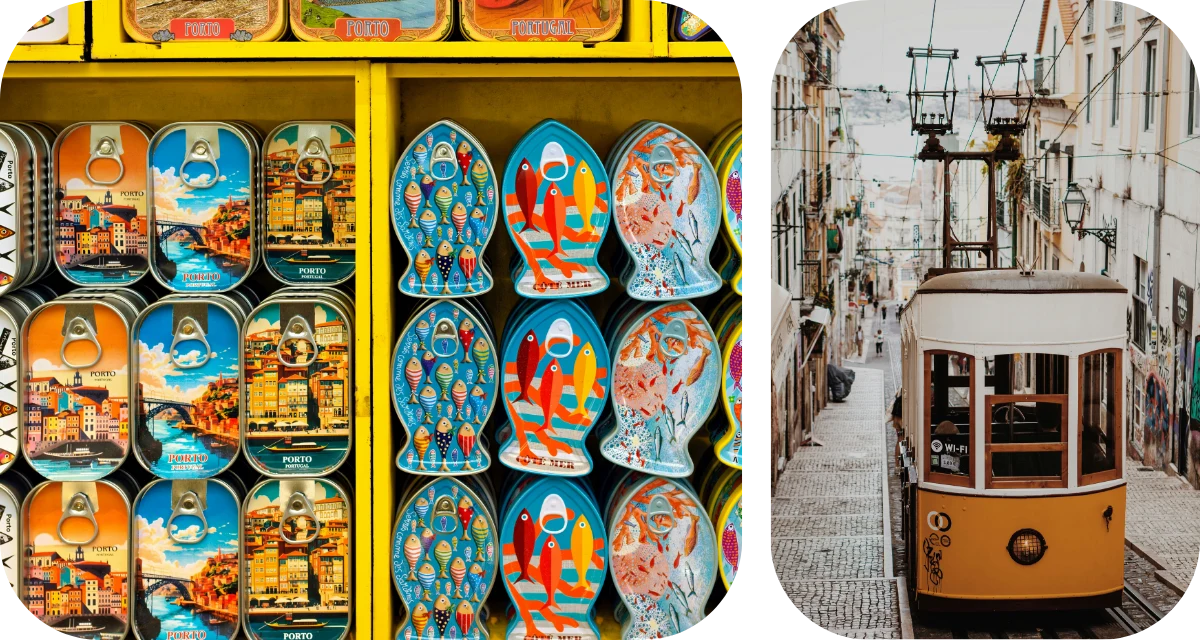
Conservas have their own specialist stores, premium tiers, and avid collectors, all wrapped in packaging that is definitely worth the suitcase space: paper-wrapped tins in colours that have not been redesigned since the fifties.
A Conserveira de Lisboa is the one to walk into, less a shopfront than a working warehouse where you can see them wrap your tins in paper by hand and write the price on the outside.
Sardines, first and foremost. But it doesn’t end there: tuna belly, small mackerel, cockles, and octopus in olive oil that will change your view of what a tin can hold. Step into a bar in Lisbon, order a few with bread and a cold vinho verde, and you will be experiencing what can only be described as the most Portuguese hour available anywhere.
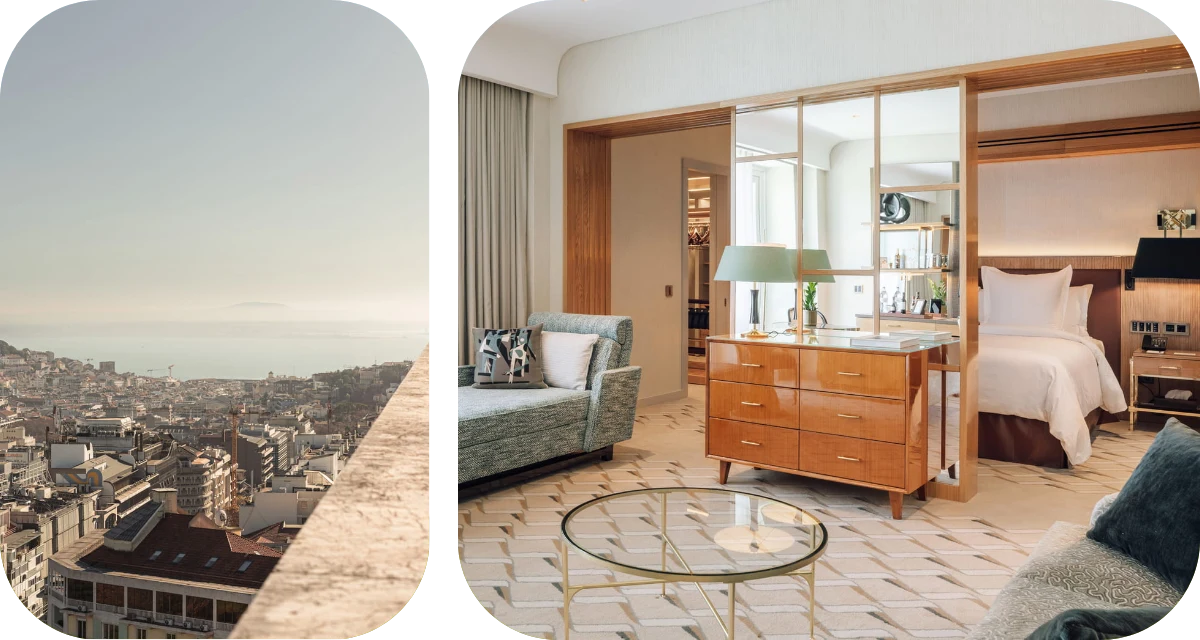
Our favourite stays: Four Seasons Hotel Ritz Lisbon or Corinthia Lisbon.
Aguardente
After you’ve eaten something, you might need something to drink. And that’s where Aguardente comes in. A grape brandy designed with journeys in mind.
Book it
Port and Douro Wines Walking Tour, Nine Tastings
An afternoon along the Gaia riverfront and into a cellar, nine glasses in, with the people who actually make it.
Prices and availability are shown on the operator's page.
The centre for port is the Douro, and it was created to survive a sea voyage to England. It’s the oldest demarcated wine region on earth: laid out by royal charter in 1756 and marked out by three hundred and thirty-five carved granite posts. A UNESCO-listed site, the area is made of over twenty-four thousand hectares of terraces cut deep into the slopes.

If you want to experience something unique, travel to the Douro in late September or early October for the harvest season. You’ll get to see the fruit come down off the terraces and visit quintas that still tread by foot in granite tanks.
Stay on the river rather than driving to it, and take the train along the valley at least once, because the line runs so close to the water that it feels like a mistake. Alternatively, book a river cruise and experience everything at a different pace.
The lodges downstream at Vila Nova de Gaia, across the water from Porto, are where the barrels have been aged for two centuries and give you the chance to discover what real port tastes like.
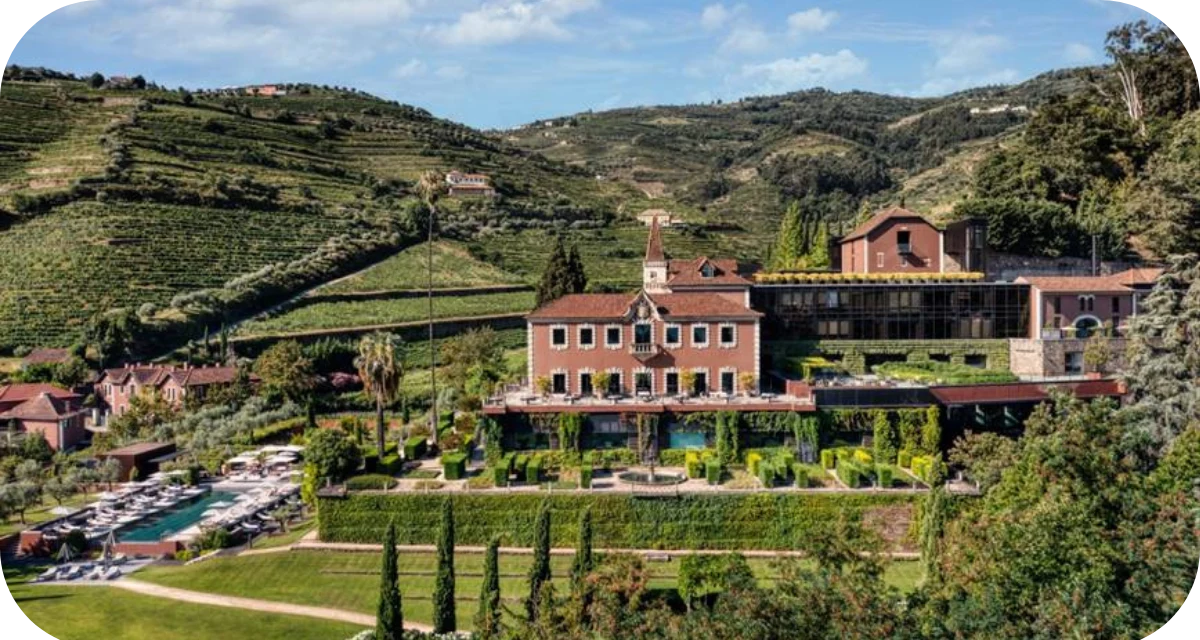
Our favourite stays: Six Senses Douro Valley, above the river at Lamego.
Docaria Conventual
By this point you might be looking for something a little bit sweeter. Docaria conventual are convent sweets that came about out of a happy accident and spread throughout the country.
Book it
Lisbon Dessert Walk Through the Historic Cafes
The pastel de nata at Martinho da Arcada, then Lisbon's oldest pastry shop, and the yolk sweets nobody tells you about.
Prices and availability are shown on the operator's page.
In the past, the convents and monasteries used huge quantities of egg whites to starch their habits and clarify wine. This left them with an abundance of egg yolks. You can probably see where this is going: pasteis de nata.
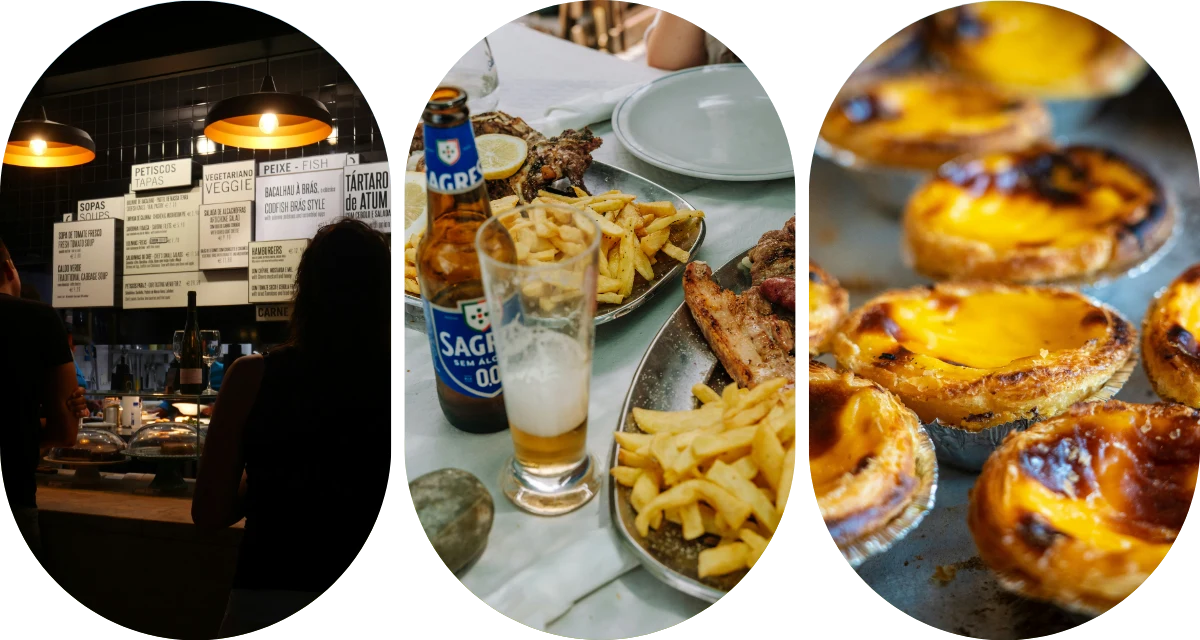
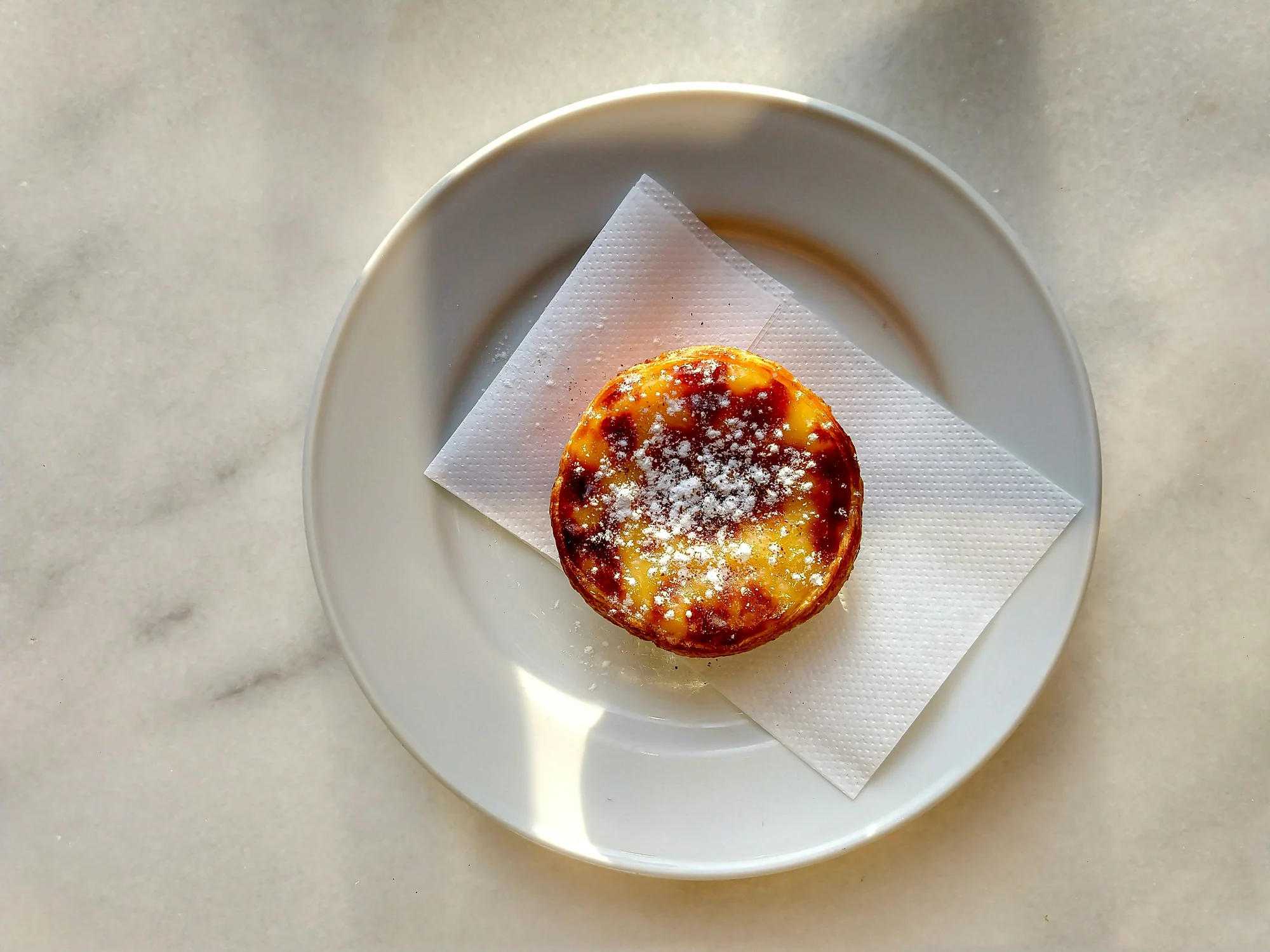
This famous pastry has a precise history, and you can still eat one from the very same, very secret, recipe that started it all in Lisbon. Eat one there, warm, with cinnamon. But don’t stop there. All across Lisbon there are versions that rival the original, and it can be a fun way to start a conversation.
Passo a passo
If it was us, here’s how we would experience Portugal:
Lisbon first, for three or four days. You need a few days at least to truly dive into everything the city has to offer and to make sure you can answer the age-old question: who does the best pastel de nata?

Then we’d head to the Douro. At minimum, two nights but four is better. The valley is a two-hour drive from Lisbon or a three-hour train from Porto, but we can also recommend arriving and stepping aboard a river cruise. It will give you the type of slow travel experience that brings the essence of the place to life.
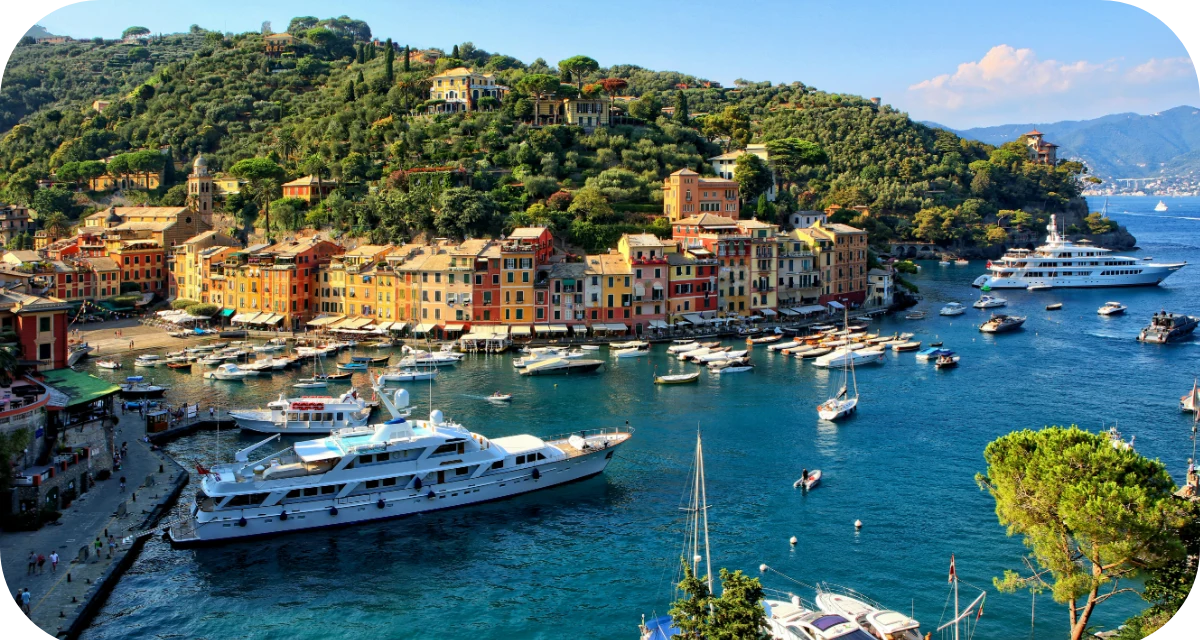
Finally, we’d finish up in Porto. It’s a smaller and more coherent city, and a few days there will give you the chance to enjoy a final taste of Portuguese culture. Target late September and early October: the summer heat has passed, the harvest is on, and the Atlantic is still warm enough for a quick dip.
Bom proveito
If you’ve got a taste for Portugal, let us know and we’ll curate the perfect journey for you. Alternatively, jump on The Hotel Desk and book a stay. We’ll still be on hand to help you with our recommendations and answer the most important question: where you can find the best pastry.
I’m Duncan Greenfield-Turk, and I’ve spent my life crafting extraordinary journeys that leave lasting impressions. Born in South Africa, my roots are steeped in diversity and adventure, and this inspires my approach to luxury travel design.


